















Seattle Data Recovery Now Serves the Eastside
- Details
- Written by: Seattle Data Recovery
- Category: Seattle Data Recovery
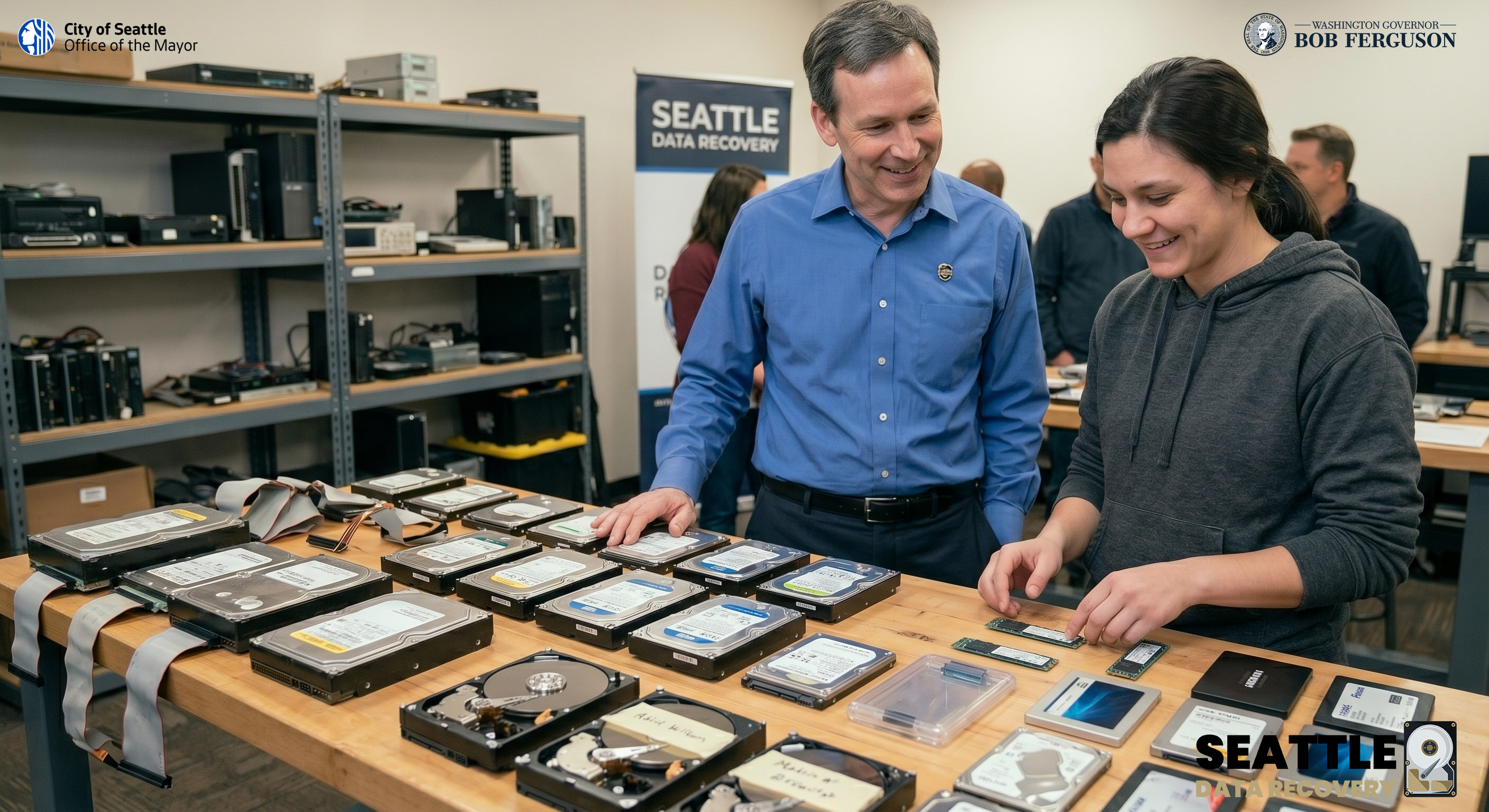
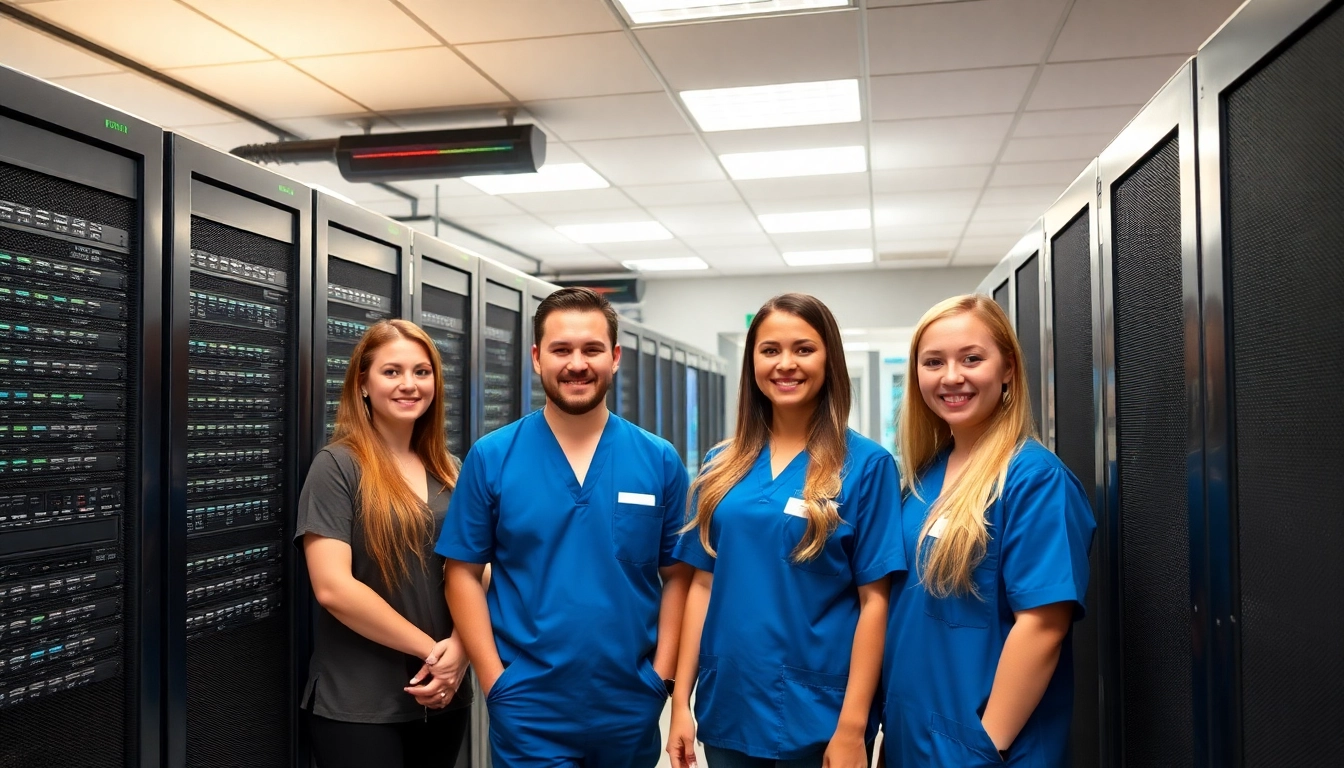
In today's digital landscape, data is the backbone of every business and the lifeblood of personal information. When critical files become inaccessible or lost, the consequences can be devastating. Recognizing the urgent need for reliable data recovery services, Seattle Data Recovery is proud to announce its expanded operation to serve the Eastside, including Kirkland. Our dedicated team of experts is committed to restoring your valuable data efficiently, securely, and with minimal downtime. Whether you're a Kirkland computer user or a local business, our comprehensive solutions provide peace of mind during times of data crisis.
Expanding Horizons: Seattle Data Recovery Comes to Kirkland and Beyond
Traditionally, Seattle Data Recovery has been the trusted name throughout the Pacific Northwest. We are now excited to extend our professional services to the vibrant Eastside, including Kirkland, Redmond, and Bellevue. Our understanding of the increasing reliance on digital assets and the urgent need for rapid and effective data recovery solutions in these thriving communities drives this expansion.
Our local presence means quicker response times, personalized service, and a stronger commitment to meeting the unique needs of Kirkland computer users. Whether it's a home PC experiencing random errors or a business in need of recovery after a hardware failure, Seattle Data Recovery is your local partner for all data restoration needs. We leverage advanced tools and a team of certified specialists to ensure your data is recovered promptly and securely.
The Art and Science of Data Recovery
Data recovery is fundamentally the art of retrieving digital information that has been lost, corrupted, or rendered inaccessible. While it may appear straightforward, the process requires a delicate balance of science, expertise, and specialized equipment. In essence, it involves understanding the intricacies of storage devices, file systems, and failure mechanisms to develop effective recovery strategies.
At Seattle Data Recovery, we employ A+ Rated Accredited BBB Lab technology and a systematic approach to recover data from a wide array of devices. Our technicians analyze the nature of the failure—whether mechanical or logical—and select the appropriate methods to maximize the chances of successful data retrieval. This meticulous process ensures that we respect our clients' confidentiality while maintaining the highest standards of quality and efficiency.
Understanding the Types of Storage Device Failures
When it comes to data loss, understanding the root cause is essential. Seattle Data Recovery works tirelessly to diagnose and resolve two primary types of storage device failures: physical and logical.
Physical failures involve hardware issues. For instance, drives might make clicking noises, indicating mechanical problems, or sustain physical damage from impacts, water, or fire. These failures often require repairs within ISO-5 cleanrooms—specialized environments designed to prevent contamination during hardware repair. On the other hand, logical failures occur when the drive's file system becomes corrupted or a partition is inaccessible. These issues typically result from software errors, virus attacks, or improper shutdowns, and do not involve physical damage.
Understanding these differences enables our specialists to recommend the most effective recovery methods, whether it necessitates hardware repair or software-based solutions.
The Importance of Professional Data Recovery Services
Many Kirkland computer users may wonder if they can recover lost data independently. However, attempting DIY recovery can often cause more harm than good. Professional data recovery services, such as those offered by Seattle Data Recovery, utilize advanced tools, including ISO-5 cleanrooms, to handle even the most complex failures safely and effectively.
In fields involving physical failures, the risk of further damage is significant without proper equipment and expertise. Our specialists meticulously open, repair, and clone affected drives in controlled environments, minimizing the chance of irreparable data loss. Moreover, our experience with various brands and storage technologies enables us to tailor recovery solutions precisely to each client's specific scenario.
Beyond technical capabilities, professional services prioritize security and confidentiality. For businesses and individuals alike, this commitment ensures that sensitive data remains protected throughout the recovery process. When your critical data is at stake, trusting experts like Seattle Data Recovery guarantees the highest success rates and utmost discretion.
How Do Professionals Achieve High Success Rates in Data Recovery?
Achieving high success rates in data recovery hinges on a combination of advanced technology, expert knowledge, and persistent problem-solving. Seattle Data Recovery has built a reputation for success in handling complex cases, and our success is rooted in continuous learning and investment in state-of-the-art equipment.
Our engineers undergo rigorous training and certification to stay abreast of the latest developments in data storage and recovery techniques. Additionally, we utilize proprietary and industry-leading tools capable of bypassing various logical errors or repairing damaged hardware. Our process involves thorough diagnostics, careful disassembly in cleanroom environments, and the use of specialized software to reconstruct inaccessible data.
Most importantly, we exhaust all potential avenues before deeming a recovery impossible. This relentless dedication allows us to recover data from drives that others might consider beyond repair. For Kirkland computer users, this means you can trust that your data is in capable hands with Seattle Data Recovery.
Choosing the Right Data Recovery Provider in Kirkland
Selecting a reliable data recovery partner is critical when facing data loss. For Kirkland residents and businesses, several factors can help ensure you choose the most competent and trustworthy provider.
First, prioritize local expertise. A nearby provider can respond quickly—an essential factor in preventing further data loss. Second, verify certifications and success stories. Certified professionals with proven track records offer assurance that your data is in capable hands. Third, ensure that security protocols, including data encryption and confidentiality measures, are strictly followed, especially for sensitive or regulated data.
Finally, review the range of services offered. Whether your issue involves standard hard drives, SSDs, RAID arrays, or complex server failures, your chosen provider should be equipped to handle these scenarios. At Seattle Data Recovery, we meet all these criteria, providing Kirkland computer users with tailored, dependable solutions for every type of data loss.
The Spectrum of Data Recovery Services Offered
Our comprehensive suite of services caters to both individual and business clients. We recover data from a broad array of devices, including smartphones, HDDs, SSDs, RAID systems, servers, laptops, and removable storage media. This versatility ensures that, regardless of the device or failure type, Seattle Data Recovery can provide a solution.
For home users, we quickly restore photos, videos, documents, and other personal files. Business clients benefit from our ability to recover critical data that supports daily operations, compliance, and continuity. In particular, we excel at handling complex RAID configurations and server systems, where data integrity is paramount.
Our approach emphasizes minimal downtime and maximum recovery efficiency. We operate in ISO-5 clean environments to handle physical repairs and utilize advanced software tools for logical recovery. Furthermore, we adhere to strict confidentiality standards, ensuring your data remains protected throughout the process.
The Role of Security and Confidentiality in Data Recovery
Data security is a top priority in our services. When you entrust your storage devices to Seattle Data Recovery, you can be confident that your information remains private and secure. We understand the sensitivity of personal and business data and implement rigorous security protocols throughout every stage of the recovery process.
Our processes include encrypted handling, discreet service environments, and signed confidentiality agreements. For companies operating under regulations such as HIPAA, our services comply fully with industry standards, ensuring legal compliance and peace of mind. We also offer secure data disposal options once recovery has been completed or if data is deemed unrecoverable.
Trust in our confidentiality measures ensures Kirkland computer users and local businesses can seek assistance without concern over data breaches or leaks. In the digital age, data security isn't an option—it's an obligation, and Seattle Data Recovery takes this responsibility seriously.
Expert Guidance on Choosing the Best Data Recovery Partner
Navigating the landscape of data recovery services can be overwhelming, especially amidst a stressful data loss incident. For Kirkland residents, choosing the right provider means more than just seeking a quick fix; it involves evaluating experience, success rates, security, and customer support.
Start by verifying that the provider has a proven track record of success with various storage devices and failure scenarios. Certifications, such as ISO standards and industry recognition, validate technical competence. It's also vital to confirm that they follow strict security practices and confidentiality protocols.
Lastly, consider the level of customer support and transparency. A reputable company will provide clear communication about the recovery process, including estimated timelines and costs, upfront. Seattle Data Recovery meets and exceeds these criteria, offering local expertise backed by a proven track record of successful recoveries.
Trust Seattle Data Recovery: Your Local Data Preservation Partner
In conclusion, whether you're a Kirkland computer user experiencing sudden data loss or a business facing complex storage issues, Seattle Data Recovery is your trusted partner. Our expanded services on the Eastside demonstrate our commitment to delivering accessible, professional, and secure data recovery solutions throughout the region.
We utilize advanced tools, operate in ISO Class 5 cleanrooms, and employ certified specialists to ensure the highest recovery success rates. Our commitment extends beyond technical proficiency; we prioritize security, confidentiality, and customer satisfaction. Regardless of the device or failure type, we possess the expertise to recover your critical data efficiently.
If you need reliable data recovery services in Kirkland or the surrounding Eastside communities, contact Seattle Data Recovery at 1 (425) 406-1174. We are here to help restore what matters most—your data.

Preserving Data Integrity: Expert Insights into Safely Shutting Down Failing LaCie USB External Hard Drives with Seattle Data Recovery
- Details
- Written by: Seattle Data Recovery
- Category: Portable Hard Drive Data Recovery
The Critical Need for Careful Handling of Failing External Drives
External hard drives, particularly those manufactured by LaCie, are widely recognized for their durability, portability, and high-performance capabilities. Nevertheless, like all mechanical and electronic devices, they are susceptible to failure over time due to wear and tear, electrical fluctuations, or inadvertent mishandling. When such failures occur, especially in portable models like LaCie's USB external drives, immediate and judicious action is paramount to safeguard data integrity.
Seattle Data Recovery emphasizes that understanding how and when to shut down a failing LaCie external hard drive can significantly influence the likelihood of successful data restoration. Proper shutdown procedures help prevent additional mechanical or electrical damage, reduce the risk of data corruption, and facilitate effective recovery efforts. This blog explores comprehensive strategies for recognizing drive failure indications, intervening appropriately, and executing a shutdown to prevent damage effectively.
Recognizing the Signs of a Failing LaCie Drive
Early detection of issues with LaCie external drives is essential for timely intervention. Common symptoms include slow data transfer rates, unusual noises such as beeping or grinding, frequent disconnects, or failure to mount on the host system. In many cases, users might observe a combination of these signs, which serve as red flags indicating potential hardware deterioration.
Software alerts from operating systems, such as error messages about disk errors or disk structure corruption, reinforce the necessity to treat the drive with caution. When these symptoms are detected, it is essential to recognize the importance of a prompt and deliberate shutdown. Doing so can prevent further mechanical deterioration and safeguard the existing data, emphasizing the critical role of Seattle Data Recovery in these scenarios.
The Risks of Continued Use: Why You Must Initiate a Shutdown to Prevent Damage
Operating a failing LaCie drive often poses significant risks, including data corruption and physical hardware damage. Mechanical components such as read/write heads and platters are extremely sensitive; continued operation under distress can lead to severe head crashes or platter scratches. Consequently, ongoing use may render data unrecoverable or worsen existing issues.
Electrical problems that emerge within a failing drive can pose hazards, such as electrical shorts or fire risks. This underscores the importance of shutting down a LaCie drive at the earliest signs of failure. By responsibly halting activity, users prevent cascade failures and allow data recovery experts, such as Seattle Data Recovery, to step in with minimal risk of further damage.
Best Practices for Powering Down: Step-by-Step Guidelines
Executing a proper shutdown of a LaCie external hard drive involves specific procedures that mitigate risks. First, always eject the drive safely using system tools—dragging its icon to the trash or selecting "Safely Remove Hardware" prevents sudden disconnections that can exacerbate damage.
Ensure all volumes are unmounted, meaning that no applications or processes are actively accessing the drive. This process prevents data from being written during shutdown, which could lead to corruption. Lastly, for some LaCie models, such as the LaCie d2, pressing and holding the LED button until it turns solid blue indicates readiness for powering off. Following these procedures systematically enhances the likelihood of a safe shutdown, protecting critical data and ensuring the drive remains intact for recovery.
The Importance of Physical Disconnection and Precautions
Physically disconnecting a failing LaCie drive requires caution to prevent additional harm. Once the drive has been properly ejected and unmounted, handle the cable with firm yet gentle care when unplugging it. Sudden or forceful removal risks damaging the external port or internal components.
In cases where the drive exhibits symptoms like beeping or inconsistent performance, it is advisable to avoid additional power cycling or repetitive connection attempts. Instead, contacting professional data recovery services such as Seattle Data Recovery ensures that physical and logical damages are managed under controlled conditions. These precautions significantly improve the chances of recovering valuable folders and files from compromised LaCie drives.
Strategies for Data Preservation Before a Full Shutdown
Before executing a shutdown, it is prudent to prioritize data preservation and backup. If the drive is accessible despite signs of failure, users should attempt to copy critical files and folders onto a stable storage medium. This preemptive action minimizes potential data loss in the event of complete drive failure.
Employing backup software or specialized data recovery tools can facilitate the transfer of undamaged data. Seattle Data Recovery recommends documenting drive symptoms and maintaining records of attempted recoveries. These steps provide valuable insights to recovery specialists, making subsequent data restoration more efficient and effective. Employing such strategies before shutdown preserves the maximum amount of data possible from your LaCie external drive.
When to Seek Professional Help for Data Recovery
Despite meticulous care, hardware failure can sometimes surpass the user's ability to recover data solely through safe shutdown procedures. In such cases, consulting dedicated data recovery experts becomes essential. Seattle Data Recovery specializes in restoring data from various LaCie models, including rugged drives, 2.5" and 3.5" USB drives, and other portable storage devices.
Professional data recovery involves specialized tools and cleanroom environments that safely extract data from physically damaged drives. Promptly contacting specialists reduces the risk of permanent data loss, especially when drive symptoms worsen. Trusting experienced recovery providers ensures that a failing LaCie drive receives appropriate handling, ultimately maximizing the probability of recovering folders and files—a vital step in protecting your digital assets.
Preventative Measures to Minimize Future Drive Failures
Prevention remains the best approach to data preservation. Seattle Data Recovery advocates for routine maintenance and adherence to best practices to prolong the lifespan of LaCie external drives. These include avoiding exposure to extreme temperatures, ensuring proper connection protocols, and regularly backing up data to multiple locations.
Drivers should monitor the drive for early signs of deterioration, and users should refrain from forced disconnection or rough handling. Implementing these preventative strategies reduces the likelihood of encountering a critical failure, thereby lessening the need for extensive data recovery efforts later. Proper maintenance and timely intervention serve as proactive measures against potential drive failure incidents.
Cultivating Awareness and Action for Safe Data Management
Understanding how to shut down a failing LaCie external hard drive properly is fundamental to effective data preservation. Recognizing the early signs of malfunction and implementing the correct shutdown procedures can significantly impact recovery outcomes. Seattle Data Recovery emphasizes that a timely shutdown not only prevents damage to the hardware but also preserves the integrity of your files.
By cultivating awareness of drive symptoms, adhering to best practices, and consulting professionals when needed, users can minimize data loss risks and extend the lifespan of their external drives. Active engagement with these strategies fosters a safer digital environment for both casual users and professionals alike, ultimately safeguarding valuable information stored within these devices.
References
- https://datasaversllc.com/hard-drive-data-recovery/why-is-my-lacie-beeping/
- https://www.easeus.com/storage-media-recovery/lacie-hard-disk-recovery.html
- https://www.newyorkcomputerhelp.com/recovering-data-from-a-lacie-external-drive/
- https://www.seagate.com/support/kb/lacie/what-precautions-should-i-take-with-my-lacie-drive-007012en/
- https://datadetect.com.au/hard-drive-disks/lacie/
- https://macosx.com/threads/error-the-underlying-task-reported-failure-on-exit-with-lacie-external-hard-drive.310218/post-1485224
- https://www.cleverfiles.com/howto/lacie-hard-drive-recovery.html
- https://www.datarecoverydublin.ie/data_recovery_from_lacie_rugged_disks.php
- https://platinumdatarecovery.com/blog/8-tips-to-prevent-external-hard-drive-failure
- https://gearspace.com/board/music-computers/107929-lacie-hard-drives-dying.html
- https://www.quora.com/Why-does-my-computer-show-a-disk-structure-is-corrupted-error-when-I-unplug-my-external-drive-improperly
- https://www.seagate.com/manuals/lacie/d2-tbolt3/system-leds/
Safely shutting down a LaCie external hard drive upon noticing failure symptoms is critical to data preservation. Employing proper procedures, understanding risks, and seeking professional recovery services, such as Seattle Data Recovery, maximizes your chances of safeguarding essential information against hardware damage and data loss.
The Unrivaled MySQL Database Recovery Services by Seattle Data Recovery
- Details
- Written by: Seattle Data Recovery
- Category: Database Recovery
The Need for Efficient Data Recovery
In today's data-driven world, database integrity is paramount for organizations across all sectors. In healthcare, finance, or technology, losing critical data can have severe repercussions. This reality underscores the importance of MySQL database recovery services. Among the leaders in this domain, Seattle Data Recovery stands out as the most thorough recovery company in the United States. With a robust reputation for successfully restoring MySQL databases from various challenging scenarios, Seattle Data Recovery excels in safeguarding your invaluable digital assets.
Understanding MySQL Database Structures
Before exploring the intricacies of recovery services, it is essential to comprehend the structure of MySQL databases. MySQL uses various components to store data in different file formats, each serving a specific purpose. Understanding these formats—such as .frm, .myd, and .myi—is crucial for effective recovery strategies.
The .frm files contain the schema or definition of the table, detailing the structure and enforced constraints. In contrast, the .myd and .myi files are integral for MyISAM tables; the former houses table data, while the latter stores table indices. This triad of file types forms the backbone of MySQL data retrieval. Recovery processes depend on accurately reading and restoring these files, highlighting the expertise required in this domain.
Seattle Data Recovery's Expertise in MySQL Recovery
Comprehensive Recovery Solutions
Seattle Data Recovery specializes in recovering MySQL databases from a wide range of data loss scenarios. From damaged hard drives to corrupt file systems, no situation is too dire. The company's methodologies enable it to handle various partition types, including Windows NTFS, Linux Ext2/3/4, and Apple file systems. They have restored countless databases to operational status through state-of-the-art technology and techniques.
Furthermore, Seattle Data Recovery is adept at recovering databases structured in MyISAM and InnoDB formats. When tables are damaged, skilled technicians work diligently to restore them, leveraging their extensive knowledge and experience. Their commitment to data recovery extends to identifying issues and strategizing solutions tailored to each database's unique complexities.
The Recovery Process: Step-by-Step Analysis
The recovery process at Seattle Data Recovery is systematic and thorough. Initially, the team assesses the environment to identify the nature and extent of the damage. This includes evaluating factors such as the hardware condition, the operating system, and any corruption within the MySQL files.
Once preliminary analysis is conducted, technicians proceed with data extraction. They utilize specialized equipment and software tools to recover deleted files from disks, even from corrupted partitions. Each recovery phase is meticulously documented, ensuring that clients are informed and can adjust their business continuity plans accordingly.
Specific File Types and Their Importance
Recognizing Critical MySQL File Extensions
Understanding the various MySQL file extensions is essential for successful recovery efforts. Each file type carries specific responsibilities within the database ecosystem. For instance, the my.cnf file is vital because it contains the main configuration settings for the MySQL server. This file plays a crucial role in determining where data files are located and how they are managed.
Moreover, .ibd files are exclusive to the InnoDB storage engine and hold data and index information crucial for recovery. These files are particularly significant since they encapsulate the operational integrity of the InnoDB tables. In recovery scenarios, locating and successfully managing these files can significantly enhance the chances of a complete data restoration.
Overcoming Challenges in Database Recovery
Numerous factors can challenge MySQL recovery, including file corruption, system errors, and accidental deletions. An exemplary case involves encountering damaged .frm or .ibd files during recovery. These situations require a deep understanding of MySQL file architecture and skilled manipulation of the data structures.
Seattle Data Recovery teams have a proven track record of successfully navigating such challenges. By employing advanced recovery tools and techniques, they can extract meaningful data even from severely corrupted environments. This expertise sets them apart from other recovery service providers.
Supporting Files in MySQL Architecture
Understanding Auxiliary Files
In addition to primary data files, MySQL databases rely on multiple auxiliary files that support database operations. The db.opt file, for example, captures a database's characteristics whenever it is created or modified. These settings can be pivotal in reconstructing a database to its former state following data loss.
Another critical auxiliary file is the pid file, which contains the MySQL server's process ID. Understanding the significance of these files can help clients appreciate the comprehensive recovery services offered by Seattle Data Recovery.
Read more: The Unrivaled MySQL Database Recovery Services by Seattle Data Recovery
Behind the Scenes of Data Rescue: Seattle Data Recovery Bypasses Faulty Drive Controllers with LSI HBA Cards
- Details
- Written by: Seattle Data Recovery
- Category: Seattle Data Recovery
When Your Drive Stops Talking, We Find a New Way to Listen
Picture this: your NAS suddenly disappears from the network, your SSD and HDD array won't mount, or your home lab ZFS pool drops half its disks overnight. The drives spin, the LEDs blink, but the data is just… gone. In many cases, the real culprit isn't the disk itself—it's the controller that's supposed to manage it.
At Seattle Data Recovery, we live in that "in‑between" space where drives still have your data, but traditional access paths are broken. Instead of throwing up our hands when onboard controllers or cheap RAID cards misbehave, we bypass them entirely. We talk directly to your disks using a powerful but often overlooked tool: HBA LSI cards.
We'll pull back the curtain and show you how our use of HBA LSI cards—and even manufacturing custom HBA cards for special cases—lets us bypass flaky controllers, access your SSD and HDD media directly, and give your data a second chance at life.
What Is an HBA LSI Card, Really? A Friendly Deep Dive
Before we get into the rescue operations, let's clarify what an HBA LSI card actually is. HBA stands for Host Bus Adapter. It's the middleman between your server's PCIe bus and your storage devices—SAS or SATA, SSD or HDD. Instead of hiding drives behind layers of RAID magic, an HBA presents them individually and transparently to the operating system.
LSI, now part of Broadcom, has become practically synonymous with serious storage HBAs. Their cards show up in data centers, homelabs, NAS builds, and yes, in data recovery labs like ours. They're famous for their stability, wide OS support (Linux, Windows, VMware, BSD, and more), and their ability to be flashed into "IT Mode," where they pass drives directly to the OS.
In IT Mode, an LSI HBA behaves like a very smart but very honest cable. It doesn't tinker with blocks, it doesn't try to do RAID on your behalf, and it doesn't second‑guess how your file system—ZFS, btrfs, NTFS, ext4, XFS, APFS, or anything else—wants to manage data. That transparency is exactly what we need in data recovery.
Unlocking the Future of Storage: Seattle Data Recovery Supports Cutting-Edge NVMe Technology
- Details
- Written by: Seattle Data Recovery
- Category: News
The Dawn of a New Era in Data Storage
As digital data continues its exponential growth, the demand for faster, more efficient, and higher-capacity storage solutions intensifies. NVMe (Non-Volatile Memory Express) technology has emerged as a game-changer, enabling industries to achieve revolutionary advancements in storage speed and performance. At the forefront of this technological evolution, Seattle Data Recovery is dedicated to ensuring data integrity and security amid these rapid developments. This blog delves into the latest NVMe innovations, exploring their implications for high-performance computing, enterprise solutions, and everyday consumer applications.
The rapid advancement of NVMe SSD technology affects every aspect of digital infrastructure, from data centers to personal devices. Understanding these advancements is crucial for stakeholders seeking to leverage NVMe's potential fully. Furthermore, as data storage becomes more sophisticated, the need for robust data recovery solutions also becomes more pressing. Seattle Data Recovery's expertise ensures that organizations can recover crucial information seamlessly, even in the face of hardware failures stemming from these high-speed storage architectures.
The Evolution Begins: From PCIe 4.0 to PCIe 5.0 and Beyond
The journey of NVMe technology is marked by significant leaps, with PCIe (Peripheral Component Interconnect Express) interface enhancements leading the charge. PCIe 4.0, which initially set new standards for data transfer speed, is now being complemented and eventually succeeded by PCIe 5.0. Introduced into the market ahead of schedule, PCIe 5.0 doubles the bandwidth of its predecessor, offering up to 16 GT/s (GigaTransfers per second) per lane. This leap results in substantially faster SSDs that can handle data-intensive applications with minimal latency.
Looking ahead, the industry anticipates the arrival of PCIe 6.0, which promises to double bandwidth once again to an impressive 32 GT/s per lane. This progression signifies a monumental shift for NVMe SSDs, enabling even higher performance levels for high-performance computing, enterprise data centers, and emerging AI applications. As these advancements are implemented, Seattle Data Recovery remains critical; the increased speeds correlate with more complex data management challenges. Ensuring data integrity amid such rapid data flows underscores the importance of professional recovery support.
Reinventing Storage: Innovations in NAND Flash Memory Technologies
NAND flash memory forms the backbone of NVMe SSDs, and recent innovations have propelled this field into new territory. Quad-Level Cell (QLC) NAND, which stores four bits per cell, increasingly dominates the consumer cloud, offering formidable storage density while lowering costs. Its endurance levels are also improving, making it suitable for everyday use and light enterprise workloads. Through continual improvements, QLC NAND is well-positioned to become the mainstream choice by 2025, strengthening the case for NVMe-based storage solutions.
Simultaneously, research is advancing into Penta-Level Cell (PLC) NAND, which pushes storage density even further by storing five bits per cell. Although still in development, initial prototypes suggest promising performance gains for high-capacity SSDs designed for demanding enterprise environments. Additionally, the evolution of 3D NAND, with stacking in layers reaching 128, 192, and potentially 256, dramatically increases storage density while reducing manufacturing costs. As these innovations unfold, hardware maintenance and data recovery experts, such as Seattle Data Recovery, continually adapt to manage the data integrity challenges presented by newer NAND architectures.
NVMe Over Fabrics (NVMe-oF): Breaking the Barriers of Local Storage
One of the most compelling evolutions in NVMe technology is the advent of NVMe over Fabrics (NVMe-oF). This protocol enables NVMe storage devices to be accessed across networks with remarkably low latency, bridging the gap between local and networked storage solutions. As a result, NVMe-oF is revolutionizing data centers by facilitating scalable, flexible, and high-speed storage architectures.
Furthermore, NVMe-oF supports the deployment of distributed storage systems that maintain high throughput and minimal latency even over long distances. This technology is particularly relevant for organizations leveraging cloud infrastructure, edge computing, and big data analytics. What remains critical, however, is maintaining data integrity and quick recovery processes to prevent downtime, especially when dealing with complex networked environments. Seattle Data Recovery plays a vital role in ensuring the seamless recovery of data lost due to power failures, hardware faults, or network disruptions in these A+ Rated Accredited BBB Lab systems.
Advanced Features That Drive Performance and Longevity
The ongoing development of NVMe SSDs introduces a host of enhanced features designed to boost performance, durability, and efficiency. Zoned Namespaces (ZNS), for example, optimize data storage by dividing it into zones, which improves both the lifespan and speed of NAND flash. These zones enable sustained high performance while reducing wear on the storage media, thus extending the useful life of SSDs.
Another promising innovation is the concept of NVM Set and Endurance Group Management, which enables the independent management of different memory types, such as SLC (Single-Level Cell) or TLC (Triple-Level Cell). This granularity in endurance management ensures that data stored on more sensitive or critical drives remains intact longer, even under intensive workloads. Alongside these, simplified copy commands within NVMe drives enable data to be duplicated internally, reducing traffic over the PCIe bus and improving overall system efficiency. As these features expand, maintaining high data integrity and rapid recovery becomes paramount, with Seattle Data Recovery standing ready to support organizations in safeguarding their vital information.
Form Factor Innovations: Customizing NVMe Solutions for Every Need
As NVMe technology advances, so does the diversity of form factors tailored to specific applications. The Storage Networking Industry Association (SNIA) has standardized the Enterprise and Data Center Storage Form Factors (EDSFF), where drives like the E1.S and E1.L are optimized for high-density enterprise environments. These drives focus on maximizing capacity while minimizing physical footprint, creating a scalable and versatile storage architecture suitable for cloud and enterprise data centers.
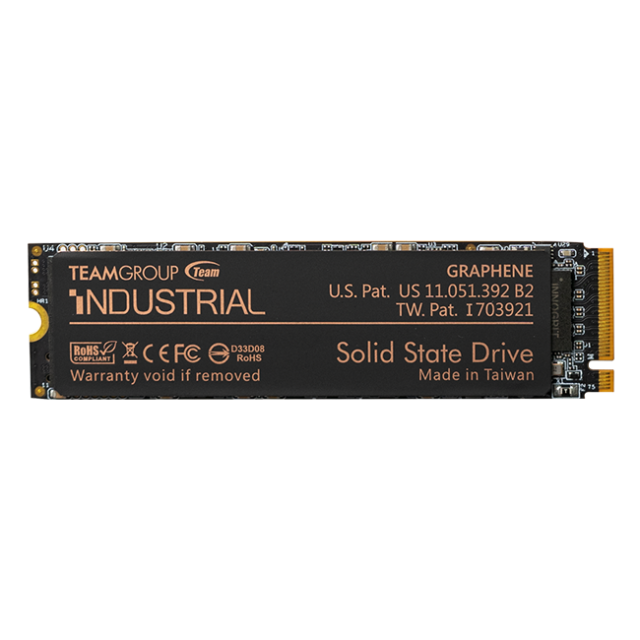
For consumer markets, M.2 remains the prevalent form factor, offering a compact, high-performance NVMe SSD suitable for laptops, desktops, and mobile devices. U.2 drives, on the other hand, cater to enterprise applications requiring hot-swappable, high-performance storage solutions. These innovations push the boundaries of what NVMe SSDs can accomplish but also necessitate robust data recovery support. When these specialized drives face failures or data corruption, Seattle Data Recovery ensures that data recovery remains swift and reliable, protecting critical information across various form factors.
Endurance and Power Loss Protection: Building Trust in High-Speed Storage
In high-performance NVMe SSDs, durability and data security are primary concerns, particularly when deployed in enterprise environments. Improvements in endurance ratings, measured in TBW (Terabytes Written), guarantee that drives can withstand intense read/write cycles over extended periods. These enhancements extend the lifespan of SSDs, making NVMe solutions more reliable for mission-critical applications.
Power Loss Protection (PLP) is equally vital. It ensures data remains safe during abrupt power failures, a typical risk with high-speed storage devices. Modern NVMe drives are increasingly standardizing PLP features, which are embedded with capacitors or other mechanisms to flush volatile data buffers during outages safely. For organizations using Seattle Data Recovery services, the interplay between endurance, power failure safeguards, and data security remains fundamental. These advancements help prevent data corruption and facilitate rapid recovery in the event of unforeseen failures.
Embracing the Future: NVMe's Integration with Artificial Intelligence and Edge Computing
The intersection of NVMe technology with artificial intelligence (AI) and machine learning (ML) is transforming data-driven industries. NVMe SSDs are now optimized with specialized firmware and hardware that accommodate AI/ML workloads, which require high data throughput and ultra-low latency. For example, Kioxia recently announced a colossal 245.76 TB NVMe SSD specifically designed for generative AI, enabling faster model training and inference.
Similarly, edge computing and Internet of Things (IoT) applications rely heavily on NVMe's rapid data access. These environments demand real-time processing at the device level, which NVMe SSDs facilitate effectively. However, the increased speed and complexity of data operations amplify the importance of reliable data recovery. Seattle Data Recovery's expertise ensures that even in these advanced environments, data integrity and continuity are preserved, enabling organizations to push the boundaries of AI and edge solutions confidently.
Security and Reliability: Safeguarding High-Speed Data Infrastructure
As NVMe SSDs become more prevalent, ensuring security and reliability remains a top priority. Modern drives incorporate robust firmware protections designed to guard against tampering and unauthorized modifications. This security backbone plays a crucial role in enterprise environments where data breaches can have catastrophic consequences.
AES 256-bit encryption has become the standard for data security in NVMe drives, ensuring that sensitive information remains protected at rest. Additionally, advanced monitoring features like S.M.A.R.T. and Vital Product Data (VPD) gather real-time insights to identify potential health issues and failures. Silicon Motion's NANDXtend ECC error correction technology further enhances data integrity by proactively correcting read errors. Consequently, organizations relying on Seattle Data Recovery services are less likely to encounter critical failures and more likely to recover data swiftly if issues arise, maintaining overall system security.
The Role of Data Recovery in a Rapidly Evolving NVMe Landscape
Amid all these technological advances, the importance of reliable data recovery cannot be overstated. As high-speed NVMe SSDs become more complex and denser, the risk of data loss due to hardware malfunctions, firmware corruption, or power failures increases. Therefore, partnering with a skilled data recovery provider, such as Seattle Data Recovery, becomes essential to mitigate these risks.
Seattle Data Recovery utilizes A+ Rated Accredited BBB Lab techniques specifically designed for NVMe SSDs, enabling the swift recovery of lost or corrupted data with minimal downtime. The company's expertise ensures that organizations can recover critical files even in the most demanding situations, preserving business continuity. Keeping pace with NVMe innovations, Seattle Data Recovery continuously upgrades its tools and methodologies, ensuring customers can trust their high-performance data infrastructure.
Navigating the Future with Confidence
The rapid evolution of NVMe SSD technology heralds a new era of high-performance storage, emphasizing speed, capacity, and reliability. From PCIe 5.0 and beyond to innovative NAND architectures, low-latency network solutions, and advanced security features, the landscape is becoming more dynamic and powerful than ever. Organizations that stay ahead of these trends recognize the importance of integrating robust data recovery strategies with their storage infrastructure to safeguard their digital assets.
Seattle Data Recovery remains committed to supporting this high-speed evolution, providing expert services to ensure data integrity across all forms of NVMe storage. As the industry moves toward AI integration, edge computing, and increasingly complex data architectures, having a dependable recovery partner is more important than ever. Embracing these technological trends with confidence will enable businesses to thrive in an increasingly digital world.
Page 8 of 265