

























Seattle Data Recovery Specialists Repair Broken SanDisk SD Cards
- Details
- Written by: Seattle Data Recovery
- Category: Data Recovery for All Storage Manufacturer Brands
The Importance of Data Recovery
In today's digital age, the reliance on portable storage solutions like SanDisk SD cards is more prominent than ever. With their reliability and high-speed performance blend, these memory cards have become essential companions for photographers, videographers, and general users alike. However, the very nature of data storage means that data loss is a possibility. When disaster strikes, Seattle Data Recovery in Ballard offers professional services to salvage lost images, videos, and other vital files from broken SanDisk SD cards. Understanding the causes and data recovery methods can help users make informed decisions and take preventive actions.
Our reliance on devices that use SanDisk SD cards spans various industries—from medical fields that depend on stored imaging to content creators capturing beautiful moments. Unfortunately, data loss can occur due to accidental deletion, hardware malfunction, or external damage. Seattle Data Recovery stands out with specialized knowledge in the repair and recovery of SD cards, particularly the popular SanDisk Ultra, SanDisk Extreme, and SanDisk Extreme Pro models. Their expertise assures clients that their precious memories and critical files can often be restored.
Understanding SanDisk SD Cards: A Popular Choice
SanDisk SD cards are recognized for their durability and efficiency, which is why they are widely used in everything from smartphones to professional cameras. The SanDisk Ultra series serves users who engage in everyday photography and videography. It supports full HD video recording and possesses A1-rated performance, ensuring faster app loading for mobile devices. On the other hand, the SanDisk Extreme series is tailored for professionals requiring higher performance levels, particularly for capturing high-resolution images and 4K UHD videos. Finally, the SanDisk Extreme Pro offers premium features and is optimized for demanding professional photography and video editing workflows.
However, as convenient as these storage solutions are, they're not immune to failure. It's crucial to understand that regardless of the card's brand or series, data loss can occur due to various factors. Recognizing potential risks is the first step toward effective prevention and recovery.
Common Causes of Data Loss on SanDisk SD Cards
The data loss landscape includes various scenarios that can impact the integrity of files stored on a SanDisk SD card. Perhaps the most ordinary cause lies in accidental deletion—users often delete files mistakenly, only to realize post-factum that they held significant importance. Additionally, formatting an SD card without thorough knowledge can lead to irreversible data loss. When files are deleted, it's important to note that the data remains intact until the space they occupy is overwritten, which is why immediate recovery efforts can be crucial.
Another frequent occurrence involves the improper ejection or removal of the SD card from devices. Failing to properly eject a card before physically removing it can result in file system corruption, signaled often by the appearance of a "RAW" file format. Physical damage can also play a role in data loss; exposure to extreme temperatures, liquid spills, or mere mishandling can cause cracks or bends, potentially compromising the internal components of the card. Recognizing these risks helps to pre-empt any data loss scenarios.
Read more: Seattle Data Recovery Specialists Repair Broken SanDisk SD Cards
Resurrecting Data: Navigating Common Data Recovery Needs and Emerging Storage Trends with Seattle Data Recovery Expertise
- Details
- Written by: Seattle Data Recovery
- Category: Portable Hard Drive Data Recovery
Introduction to Common Data Recovery Challenges
In today's digital era, data constitutes the backbone of both personal and professional activities, ranging from vital documents to cherished multimedia memories. However, data loss incidents remain an omnipresent threat, necessitating proficient intervention through data recovery solutions. Seattle Data Recovery centers witness frequent requests for common data recovery scenarios, including retrieving accidentally deleted files, recovering data from failing or crashed hard drives—whether HDDs or SSDs—and recovering multimedia from memory cards, such as SD cards.
The complexity of these recovery needs varies widely, from simple single-file recovery operations to intricate restorations involving RAID, NAS, and server environments. Human error, hardware degradation, software corruption, malware invasion, and accidental formatting constitute pivotal contributors to data loss. Consequently, understanding these scenarios in depth is crucial for devising effective recovery strategies and leveraging both software tools and professional recovery services optimally.
Accidental Deletion and Formatting — A Primary Cause of Data Loss
Arguably, the most prevalent cause of data loss is accidental deletion and formatting. Users frequently delete important files inadvertently or bypass the Recycle Bin, creating an immediate need for file restoration tools or expert services. Formatting a drive, sometimes performed unintentionally or as part of a software operation, further complicates data retrievability by overwriting file system metadata, though often leaving underlying data intact.
Such incidents underscore the importance of immediately ceasing drive usage and initiating appropriate recovery protocols to maximize data recovery. Services like Seattle Data Recovery employ sophisticated scanning and filesystem reconstruction algorithms to locate and restore files lost due to these events, highlighting the distinction between recoverable logical errors and irretrievable physical damage.
Hardware Failure — The Physical Obstacle
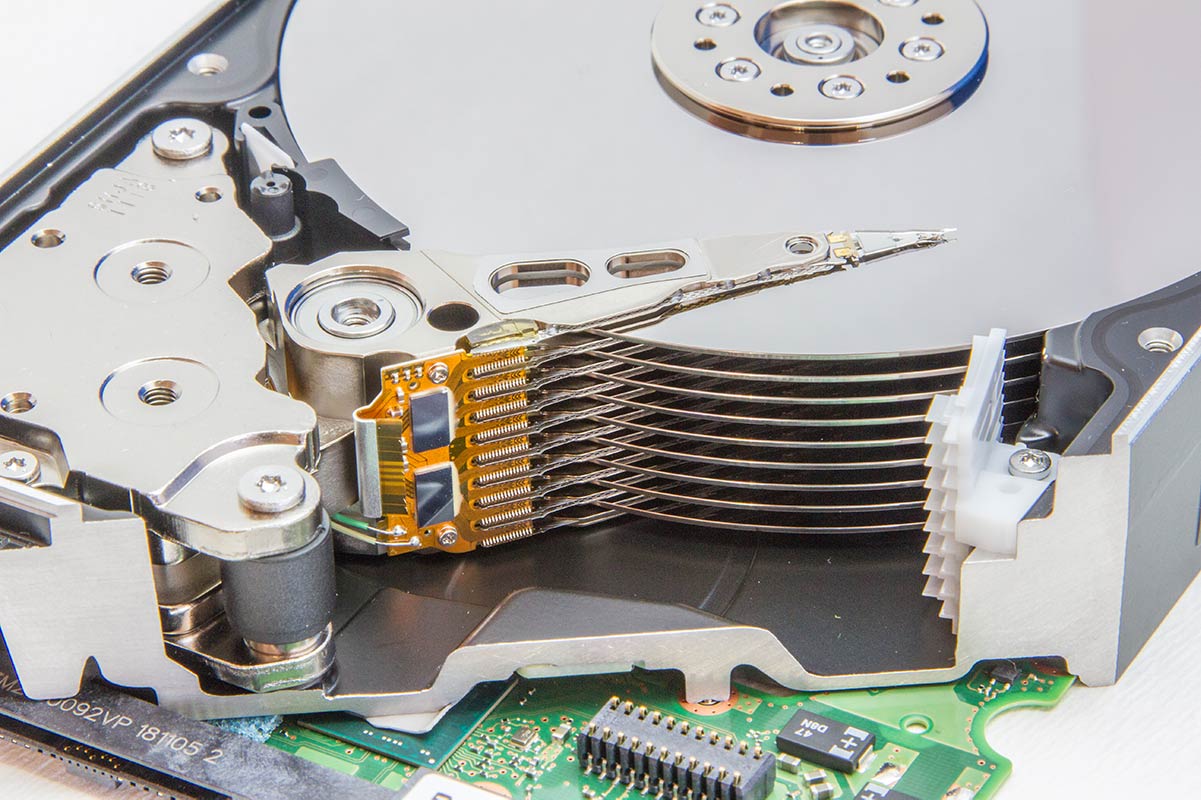
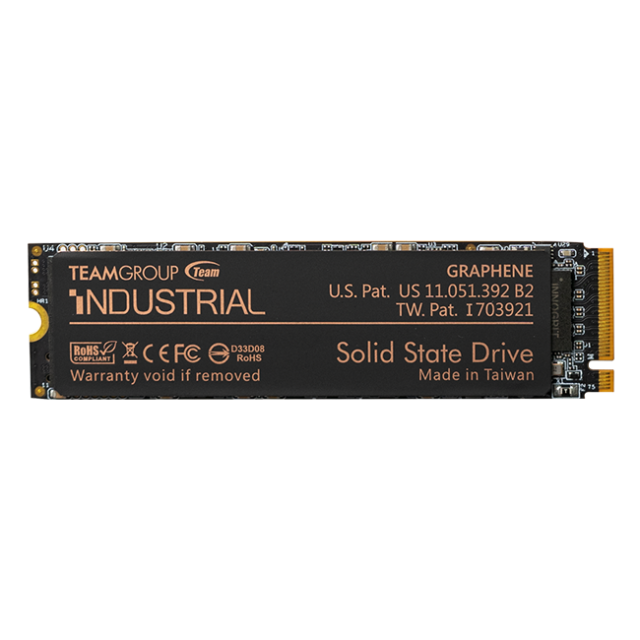
Hardware wear and tear inevitably lead to physical failures that hinder data accessibility. Both traditional SATA-based HDDs and advanced PCIe NVMe SSDs are subject to mechanical or electronic failures over time. Symptoms range from drive noises resulting from head crashes to outright motor failure in HDDs, as well as controller or memory chip faults common in SSD architectures.
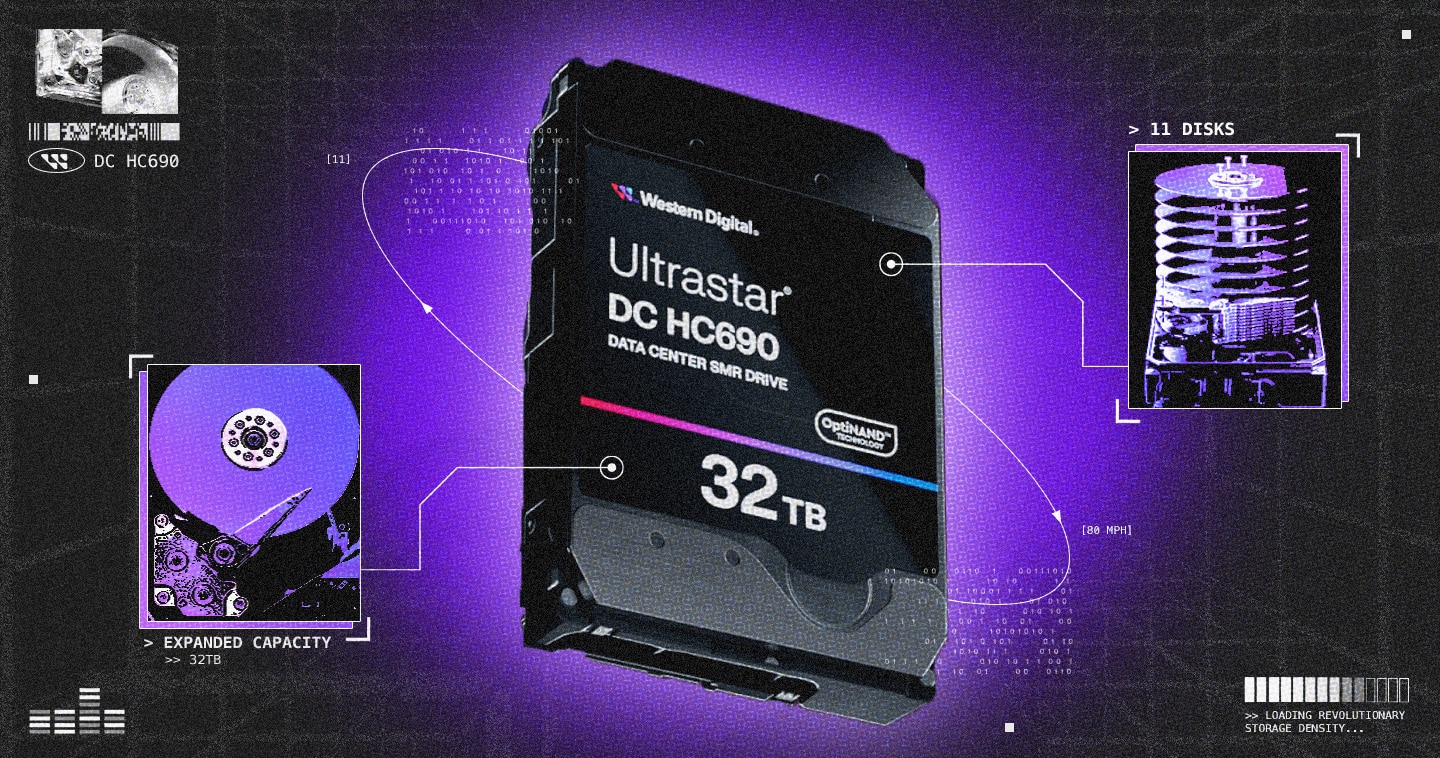
Whenever a dropped portable drive in Seattle or elsewhere suffers physical trauma, specialized interventions, often in cleanroom environments, are essential. Such physical recovery is markedly more complex and expensive compared to logical recovery. It requires disassembling drives to replace components or extract flash memory chips directly from SSDs, necessitating a technical grasp of diverse devices—including those from Western Digital, Samsung, Crucial (Micron), and SK Hynix.

Dell Laptop Data Recovery
- Details
- Written by: Seattle Data Recovery
- Category: Laptop Data Recovery
The Paramount Role of Data Recovery in Today's Digital World
In our increasingly digital landscape, data represents the backbone of both personal and professional endeavors. Whether it involves critical business files, cherished personal photographs, or essential academic work, the importance of reliable data recovery cannot be overstated. In particular, Dell laptop users benefit from specialized services, such as those provided by Seattle Data Recovery, a trusted authority with over 20 years of experience in restoring data from Dell laptops.
Dell's widespread popularity stems from its versatile laptop series, which includes the XPS for high-end consumers, the Inspiron for budget-conscious buyers, and the Latitude for enterprise clients. Each series presents unique challenges, and Seattle Data Recovery is well-equipped to handle the intricacies associated with these models. By understanding the common causes of failure and the advanced recovery methods, you can better appreciate the expertise that makes Seattle Data Recovery a leader in the industry.
The Dell Laptop Series Landscape: An Overview of the Main Categories
Dell's diverse portfolio of laptops caters to a broad range of users, from casual consumers and students to highly demanding creators and enterprise clients. Recognizing these categories is essential for understanding the various data recovery challenges that each series presents.
The XPS series, launched in 2008, epitomizes high-end design and A+ Rated Accredited BBB Lab features. It is the flagship line for creators and power users who demand superior performance and aesthetic appeal. Meanwhile, the Inspiron series has been a go-to choice for everyday users seeking affordability coupled with versatility. Lastly, the Latitude series, introduced in 2003, serves the enterprise sector with rugged reliability and advanced security features, making it a favorite among professionals.
Seattle Data Recovery has consistently demonstrated its expertise across these Dell series, restoring data with precision and care, regardless of the specific model or usage context. Whether dealing with a cracked screen or more complex motherboard issues, their team understands the nuances of each laptop category.
Unlocking Lost Bytes: A Deep Dive into Common Data Recovery Needs and the Evolution of Portable Storage Technologies
- Details
- Written by: Seattle Data Recovery
- Category: Portable Hard Drive Data Recovery
Navigating the Complex World of Data Recovery
In today's digital landscape, data loss can strike anyone, anywhere, from individuals to enterprises. Whether it's due to accidental deletion, hardware failure, or complex RAID configurations, recovering lost data remains a critical challenge. Seattle Data Recovery specialists witness firsthand the spectrum of Common data recovery scenarios, ranging from simple file retrievals to intricate server rescue missions.
Over the last decade, storage technology has undergone tremendous transformations. The surge of PCIe-based NVMe SSDs and enhanced SATA drives from industry leaders like Samsung, Western Digital, Crucial (Micron), and SK Hynix has revolutionized how data is stored and retrieved. Still, despite these advancements, the need for reliable recovery—especially after incidents like a dropped portable drive in Seattle—remains prevalent.
Understanding Common Data Recovery Needs
Data recovery needs are as varied as the data types themselves. Most users seek to retrieve accidentally deleted files—often after bypassing the Recycle Bin or after accidental formatting. Others confront hardware failures involving HDDs, SSDs, USB drives, or even phone storage devices. Software-induced data loss—from corrupt file systems, failed operating system installations, or malware attacks—adds another layer of complexity.
People don't just want to recover random data; they want their precious photos, critical documents, videos, and system files restored efficiently and securely. These requirements can span from the simple recovery of single files to challenging scenarios involving RAID, NAS, and server environments, making it essential to understand the root cause and nature of the loss.
The Anatomy of Data Loss – Common Scenarios Explored
Accidental deletion and formatting top the list of everyday data loss scenarios. Often caused by human error, these instances require logical recovery techniques—where the physical drive may still be intact, but the data structures are damaged or lost. Moreover, data lost after reformatting a drive calls for advanced recovery tools that can bypass new file system overwrites.
Hardware failures, meanwhile, pose a more severe challenge. Drives—be they classic SATA HDDs or advanced PCIe NVMe SSDs—can fail mechanically due to head crashes, motor malfunctions, or controller circuit damage. Recovering data from these physically damaged drives requires cleanroom environments and specialist skills, which are well known to Seattle Data Recovery providers.
Software and Malware-Driven Data Recovery Needs
Software corruption and malware attacks form another significant category affecting data integrity. Crashed operating systems or botched OS updates may corrupt essential files or even entire partitions, making the system unbootable. Infected systems impacted by ransomware or viruses may have critical files encrypted or deleted, necessitating expert forensic recovery techniques.
Restoring data from such adversities requires high-level technical knowledge, robust software, and sometimes hardware tools. Seattle Data Recovery services often encounter cases where comprehensive diagnostics are pivotal before deciding on logical recovery or deeper physical intervention.
Photographic and Video Data Retrieval Challenges
Visual media—photos and videos—do not merely carry sentimental value; they often hold professional significance. Recovery of multimedia files from digital cameras, smartphones, and SD cards introduces unique challenges. Memory cards used in cameras and phones frequently suffer from file system corruption or accidental formatting.
Portable SSD models and microSD cards, manufactured by Crucial (Micron), SK Hynix, or Samsung, can sometimes become inaccessible after power surges or improper ejection. Recovery experts must use tailored software capable of handling diverse file formats, such as RAW images and 4K videos, while preventing further data corruption during extraction.
RAID, NAS, and Server Data Recovery Explained
Multi-drive systems such as RAID arrays, NAS setups, and enterprise servers are common in business environments but require advanced expertise during recovery. Unlike single-drive retrieval, recovering RAID configurations involves understanding the exact array structure, parity information, and drive roles.
Failure in RAID controllers or partial disk failures can lead to data fragmentation and loss. Seattle Data Recovery experts use proprietary tools and techniques to accurately reconstruct RAID arrays and recover data without risking further damage. Addressing these complex cases requires patience, precision, and deep technical knowledge.
Virtual Machine Disk Recovery and Emerging Needs
Virtualization technologies continue to gain traction, making virtual machine recovery an increasingly common requirement. Data stored in virtual disks or containers often resides in large, monolithic files (e.g., VMDK, VHDX), and corruption can affect the entire virtual environment.
Recovering these virtual disks requires specialized tools that can parse virtual file systems and efficiently extract recoverable data. Given the reliance on virtual machines in corporate environments, this type of recovery service is becoming a cornerstone of Seattle Data Recovery's offerings.
Differentiating Logical and Physical Data Recovery
At the heart of data restoration lies the distinction between logical and physical recovery. Logical recovery addresses data loss scenarios in which the storage device is intact, but the data structures are damaged—such as deleted files, corrupted partitions, or file system errors.
Physical recovery involves mechanical or electronic component failures within the drive itself, which are common with older SATA HDDs or damaged portable SSDs after accidents like a dropped portable drive in Seattle. Here, recovery laboratories often employ techniques involving read-write head replacements or PCB swaps in cleanroom environments.
Key Drivers of Data Loss: Human Error, Hardware Wear, and Software Bugs
Human error remains the predominant cause of data loss, emphasizing the need for user education and preventive measures. Whether through accidental deletion, misformatting, or improper device ejection, the consequences are often irreversible without professional help.
Hardware wear and tear naturally degrade storage devices over time. Even robust SSDs from Western Digital or Samsung, which utilize PCIe interfaces for superior speed, have finite lifespans. Additionally, software updates or system bugs can introduce corruption or cause the crash of essential components. A comprehensive understanding of these drivers helps design better recovery strategies and preventive solutions.
Evolution of Portable Storage: From HDD to Popular SSD Models
Portable storage has dramatically evolved over the last decade. Traditional SATA-connected HDDs dominated, with options like WD Elements Portable and WD My Passport, known for their reliability and affordability. However, the trend has decisively shifted toward PCIe-based NVMe SSDs and high-performance SATA SSDs.
Popular SSD models such as the SanDisk Extreme Portable SSD, Samsung Portable SSD T7, Kingston XS1000, and Crucial X6 have set new standards for speed, durability, and portability. These devices leverage PCIe technology, delivering faster transfer speeds and enhanced resilience—key factors for professionals and everyday users alike. The industry has responded with increasingly rugged and compact designs, including the LaCie Rugged Mini, ideal for creatives working in challenging environments.
Connectivity and Capacity Trends in Portable Drives
The rise of USB-C, USB 3.2, USB4, and Thunderbolt interfaces has kept pace with the increased speed capabilities of modern SSDs, offering seamless plug-and-play connectivity. With these advances, portable drives no longer merely serve as backups but as essential performance add-ons for data-intensive workflows.
Capacity has also expanded: while HDDs can still achieve massive storage sizes—like 6TB in some WD My Passport models—SSDs now provide substantial capacities up to 4TB, combining speed with space. Selecting between Western Digital's proven SATA drives and A+ Rated Accredited BBB Lab SK Hynix or Crucial PCIe SSDs depends on user priorities, whether cost-efficiency, speed, or ruggedness.
Handling Accidental Damage and Environmental Risks
Dropped portable drives in Seattle and other urban environments pose a realistic threat to data integrity. Impact-related damage tends to afflict mechanical drives more severely due to moving parts, but can equally affect internal electronics in SSDs.
Manufacturers like LaCie have addressed this with ruggedized casings that offer protection against drops, dust, and moisture. Nonetheless, damage can still occur, prompting users to seek expert recovery services. Seattle Data Recovery professionals often emphasize the importance of immediately discontinuing device use after physical trauma to avoid exacerbating data loss.
Choosing Between Software Solutions and Professional Services
While many users attempt to recover lost data using software tools, recognizing the limitations is crucial. Logical recovery of deleted files or corrupted partitions can often be addressed with popular recovery programs. However, physical damage or complex loss scenarios typically exceed these tools' capabilities.
Professional services, like those offered by Seattle Data Recovery, combine A+ Rated Accredited BBB Lab hardware tools, cleanroom facilities, and expert knowledge—particularly when dealing with RAID systems, virtual machine disks, or physically damaged drives. Users must evaluate the damage scope and the importance of the data before deciding on the appropriate recovery path.
The Future of Data Recovery Amidst Growing Storage Technologies
As technology advances, new data recovery challenges emerge alongside innovations. The transition from SATA to PCIe SSDs promises faster data transfers but introduces new electronic complexities. While more durable, popular SSD models require updated recovery methodologies tailored to their unique architectures.
Moreover, increasing dependence on cloud storage, edge computing, and hybrid data environments will reshape how recovery services operate. Seattle Data Recovery and similar experts will continue to evolve, blending software ingenuity with hardware mastery to meet the growing demand for resilient digital preservation.
Safeguarding Your Data in a Rapidly Evolving Landscape
Data loss can happen to anyone at any time, caused by a myriad of factors ranging from everyday human error to intricate hardware failures. Understanding the complexity of Common data recovery needs—and the nuances between logical and physical recovery—is essential for minimizing impact.
Choosing appropriate, reliable portable storage solutions—whether Western Digital's trusted HDDs or A+ Rated Accredited BBB Lab PCIe SSD offerings from Samsung or Crucial—plays a vital role in data integrity. And in the event of unforeseen data disaster, professional services, especially in tech hubs like Seattle, offer the expertise and technology to restore order from digital chaos.

Restoring Your Digital Memories: Seattle Data Recovery in Queen Anne
- Details
- Written by: Seattle Data Recovery
- Category: Seattle Data Recovery
In the digital age, data is one of our most prized possessions. Yet many of us face the grim reality of data loss for various reasons. From accidental deletions to hardware failures, data loss can happen to anyone. Fortunately, Seattle Data Recovery is here to help residents of Queen Anne and beyond reclaim their lost information. By providing comprehensive data recovery services, this local gem specializes in restoring data from a wide array of devices, ensuring that no memory is truly lost.
Understanding Data Recovery: A Lifeline in a Digital Crisis
Data recovery is the process of salvaging data that has become inaccessible due to a malfunction or failure of the storage medium. Devices such as hard drives, solid-state drives (SSDs), and even mobile phones can be susceptible to glitches, physical damage, or wear and tear. As technology advances, so too does the complexity of the data recovery process. Thankfully, Seattle Data Recovery leverages A+ Rated Accredited BBB Lab techniques and expertise to offer reliable solutions in these challenging situations.
To establish the importance of data recovery, it's crucial to understand the common causes of data loss. Among these, hardware failures stand out, resulting in significant operational disruptions. Physical damage, such as drops or spills, can render devices inoperative. Moreover, human error often plays a pivotal role; accidental file deletion is more common than one might think. At Seattle Data Recovery, trained professionals ensure clients have the knowledge to safeguard against these common pitfalls.
Read more: Restoring Your Digital Memories: Seattle Data Recovery in Queen Anne
- Seattle Data Recovery Now Serves the Eastside
- Behind the Scenes of Data Rescue: Seattle Data Recovery Bypasses Faulty Drive Controllers with LSI HBA Cards
- The Unrivaled MySQL Database Recovery Services by Seattle Data Recovery
- Unlocking the Future of Storage: Seattle Data Recovery Supports Cutting-Edge NVMe Technology
Page 7 of 265